3rd Floor, No. 28 Tran Nhat Duat Street, Hoan Kiem Ward, Hanoi, Vietnam

 (+84) 985 967 765 – (+84) 912 896 956
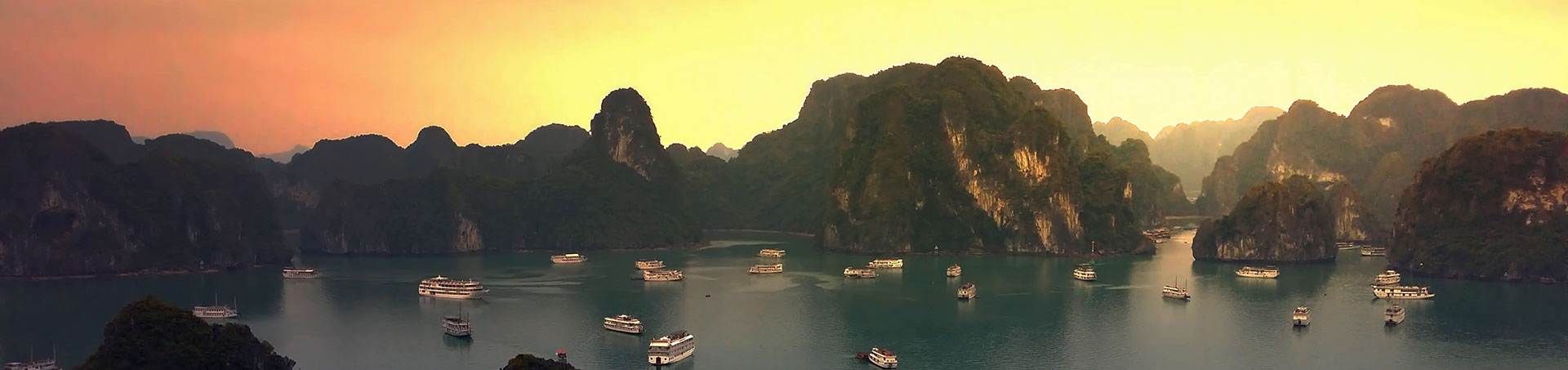
Visiting Halong Bay: tips to plan your cruise
Oct 8, 2025
Halong Bay is one of Vietnam’s largest tourist draws and a must on any Southeast Asia itinerary. Dotted with jagged limestone pinnacles rising from emerald waters, Halong Bay welcomes around 10 million visitors each year, most arriving via overnight cruises or day trips. If you’re considering what places to visit in Halong Bay, or how to choose the perfect Halong Bay cruise tour, here’s your complete guide to make your experience unforgettable.
Overview of Halong Bay: What Makes This Natural Wonder Special
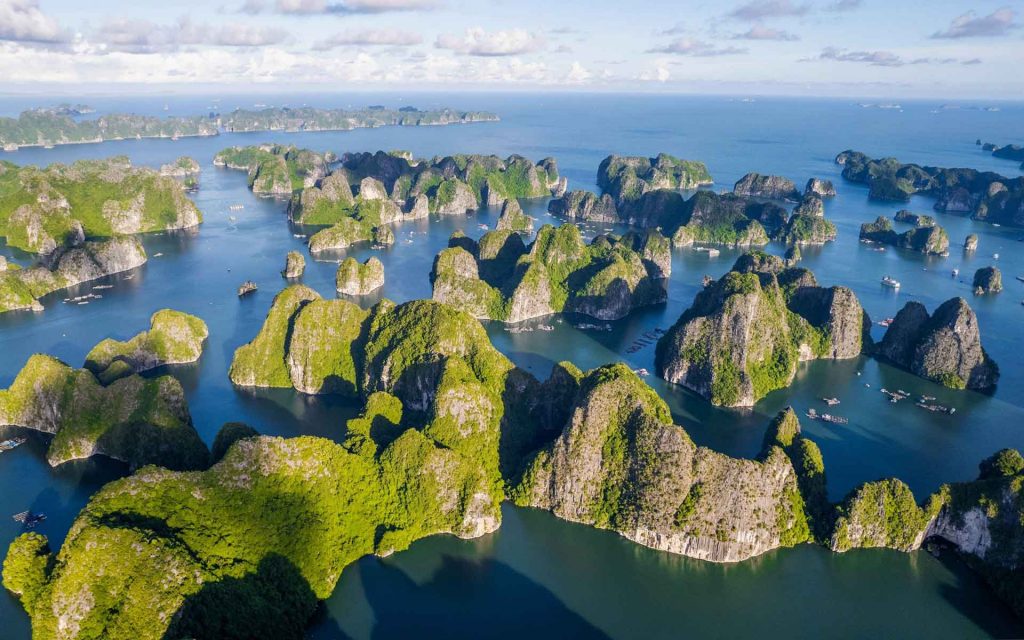
Halong Bay, a UNESCO World Heritage Site in northern Quang Ninh Province, Vietnam, is one of Southeast Asia’s most breathtaking destinations. Located in the Gulf of Tonkin, the bay covers more than 1,500 square kilometers and is home to over 1,600 limestone islands and islets, each uniquely shaped by millions of years of natural erosion.
What truly makes Halong Bay Vietnam special is its otherworldly beauty — towering limestone pillars rising from emerald-green waters, mysterious caves filled with glittering stalactites, peaceful floating fishing villages, and secluded sandy beaches. Whether viewed from a luxury cruise deck, a kayak gliding between cliffs, or the window of a seaplane, every angle offers a scene straight out of a dream.
Getting to Halong Bay
Traveling to Halong Bay has become easier and faster than ever. Thanks to the 2018 expressway linking Hanoi and Halong City, the journey now takes just around 2.5 hours by car or shuttle bus. For international visitors, Van Don International Airport, located about 50 km from Halong Bay, offers convenient domestic flights from Ho Chi Minh City and is gradually expanding its international flight network, making it a seamless entry point for global travelers.
Responsible Tourism and Preservation
With its rise in popularity, Halong Bay faces increasing pressure from mass tourism. To preserve its fragile ecosystem, the Vietnamese government has implemented strict environmental guidelines. All cruise ships must follow five designated travel routes, helping to minimize overcrowding and protect marine life.
Swimming is restricted to a few approved beaches, and drones are used to monitor environmental compliance, ensuring that every visit leaves a lighter footprint. These sustainable tourism efforts help maintain the bay’s magic for future generations while providing travelers with a safer and more organized experience.
Getting to Halong Bay and What to Expect
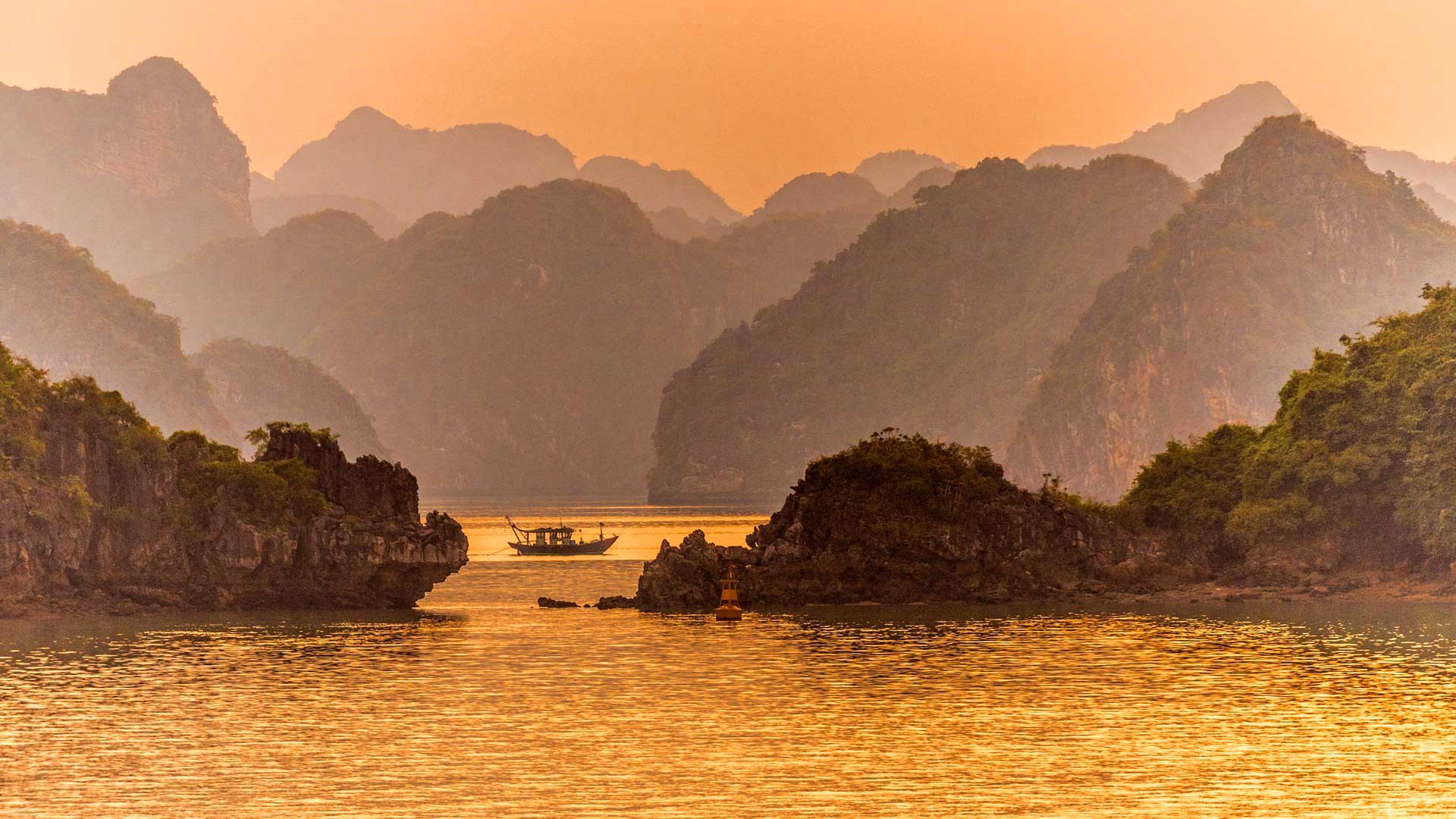
Nestled in Quang Ninh Province, about 160 km east of Hanoi, Halong Bay is one of Vietnam’s most iconic destinations — famous for its emerald waters and limestone karsts. Traveling from Hanoi to Halong Bay is now easier than ever thanks to the new Hanoi–Halong Expressway, which cuts travel time to just 2.5 hours by private car or shuttle.
For international travelers, Van Don International Airport provides a convenient gateway to the bay, with regular domestic flights from Ho Chi Minh City and an expanding list of international routes connecting major Asian cities. This improved access means you can start your Halong Bay cruise almost as soon as you land.
However, with growing tourism comes the need for sustainable management. To protect Halong Bay’s fragile ecosystem, the Vietnamese government has introduced strict environmental and navigation regulations. All cruise boats must now operate within five designated routes, ensuring that traffic remains evenly distributed and scenic areas are preserved.
Swimming is only allowed at approved beaches, and drone usage is carefully monitored to prevent overcrowding and disturbance to wildlife. These measures not only help maintain the bay’s natural beauty but also enhance the overall Halong Bay travel experience — ensuring that future generations can continue to enjoy this UNESCO World Heritage treasure.
Choosing the Right Halong Bay Cruise: Find Your Perfect Voyage
Selecting the right Halong Bay cruise can completely transform your journey — it’s the difference between a quick sightseeing trip and an unforgettable escape into one of Southeast Asia’s most spectacular natural wonders. Whether you crave luxury, comfort, or adventure, Halong Bay offers something for every kind of traveler.
Luxury Cruises in Halong Bay: Sail in Style
If you dream of combining adventure with indulgence, a luxury Halong Bay cruise is your ticket to paradise. Think of these vessels as floating five-star resorts — complete with spacious cabins, private balconies, gourmet Vietnamese and international cuisine, and world-class spa services.
As you glide through emerald waters surrounded by limestone karsts, you can sip champagne on the deck while the sunset paints the cliffs gold.
Expect to pay around US$300–350 per cabin for a one-night Halong Bay overnight cruise. While the itineraries often mirror standard routes, the experience stands out for its personalized service, fine dining, and tranquil atmosphere.
Pros: Lavish amenities, smaller groups, exceptional food, and personalized service.
Cons: Pricey, and most “2D1N” tours only include about 24 hours onboard.
Midrange and Budget Cruises: The Smart Traveler’s Choice
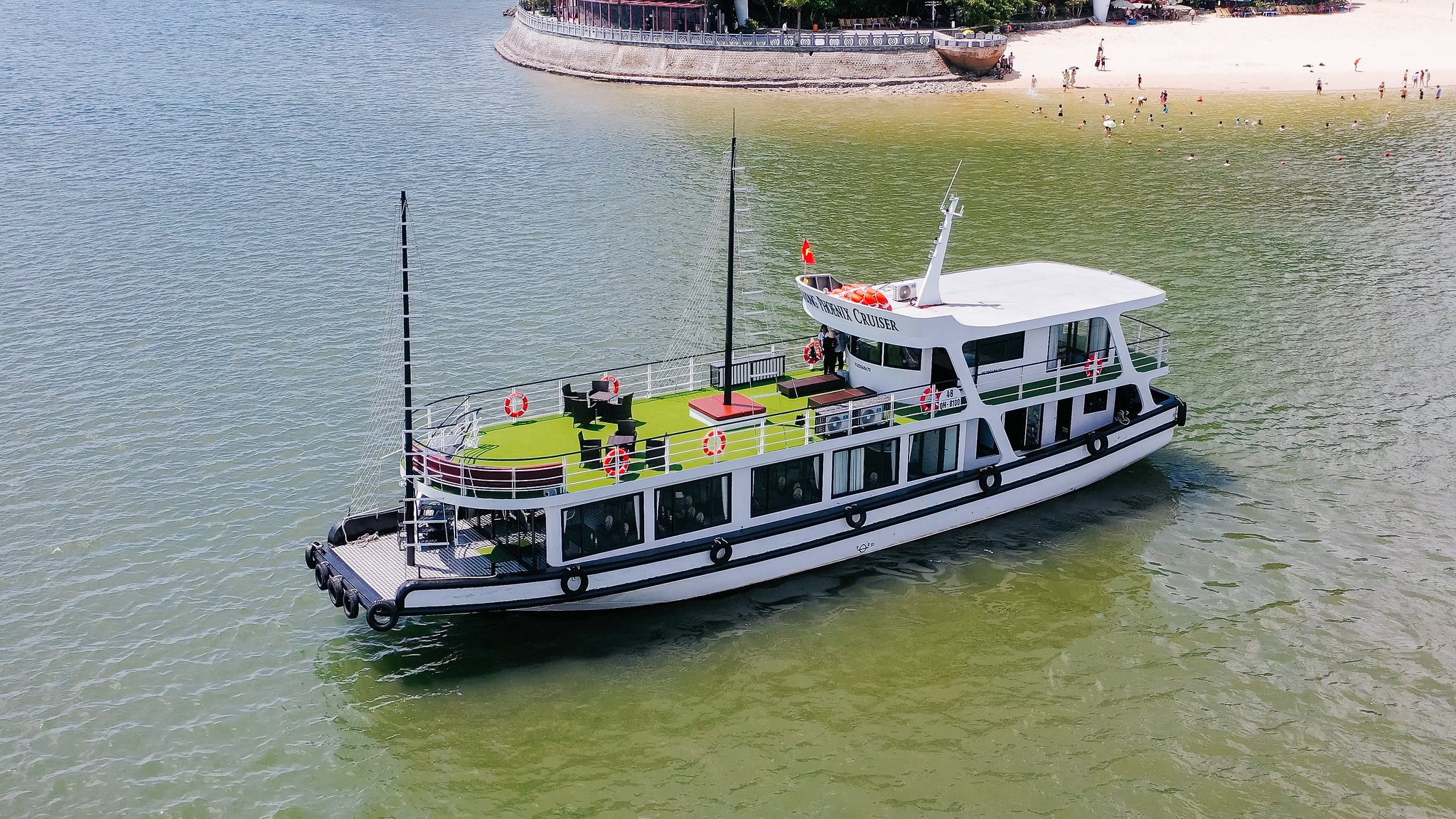
For many travelers, a midrange Halong Bay cruise offers the perfect blend of value and comfort. With cozy cabins, friendly guides, and authentic local-style meals, these cruises provide an immersive yet affordable way to experience the bay.
Many midrange and budget Halong Bay tours include activities like kayaking, cave exploration, swimming, and cooking classes — often at a fraction of luxury prices.
Prices typically range from US$110–130 for overnight tours, while Halong Bay day trips start at around US$60 per person.
Pros: Excellent value, good mix of comfort and activities, and often include free extras like kayaking or transfers from Hanoi.
Cons: Quality and service can vary — always check reviews and operator credentials before booking.
Halong Bay Day Cruises: A Perfect Short Escape
If you’re short on time but don’t want to miss Vietnam’s most iconic seascape, a Halong Bay day cruise is the perfect choice. These tours typically last between 4–6 hours, departing from Tuan Chau Marina in Halong City — the main gateway to the bay.
During your cruise, you’ll glide past dramatic limestone cliffs, explore mystical caves like Sung Sot (Surprise) Cave or Thien Cung (Heavenly Palace), and stop for a refreshing swim or kayak session in calm turquoise waters.
Most Halong Bay day tours cost around US$50 per person, while private charters are available for about US$30 per hour for up to 20 passengers — ideal for families or small groups seeking a more personal experience.
Pros: Affordable, easy to arrange on short notice, and perfect for travelers on tight schedules.
Cons: Can feel a bit rushed and crowded, with limited time for deeper exploration — but still a stunning glimpse of Halong Bay’s natural beauty.
Kayaking in Halong Bay: Paddle Through Paradise
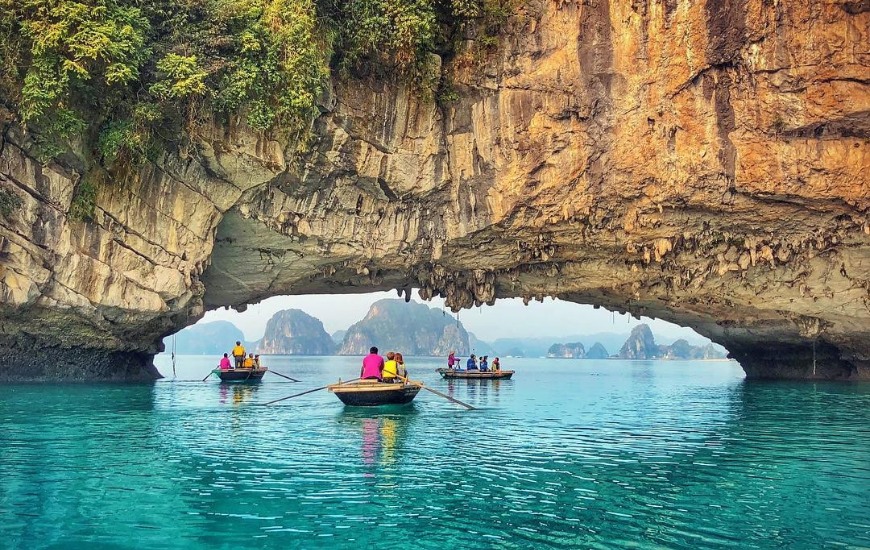
Few experiences capture the magic of Halong Bay quite like kayaking. Gliding across emerald waters, you’ll paddle beneath majestic limestone arches, explore hidden lagoons, and drift through tranquil caves where sunlight shimmers on the surface. This is Halong Bay kayaking at its most peaceful and personal — a moment of pure connection with nature.
Most Halong Bay cruises — especially midrange and luxury options — include one to two hours of kayaking, sometimes with a small additional fee. These short excursions allow travelers to get close to the bay’s famous karst formations and enjoy quiet moments away from the main cruise routes.
For those seeking a more immersive experience, Lan Ha Bay, just south of Halong, is a top choice. With equally stunning scenery and far fewer tourists, Lan Ha Bay kayaking tours offer the perfect escape for experienced adventurers.
If you’re staying on Cat Ba Island, full-day kayaking tours are available for around US$25–30 per person, led by local guides who know the most scenic spots.
Pros: A serene, eco-friendly adventure that offers an intimate look at Halong Bay’s untouched beauty.
Cons: You’ll only cover a limited area — the best experience comes from combining kayaking with a longer Halong Bay cruise.
Safety First: What You Need to Know Before Cruising Halong Bay
When planning your Halong Bay cruise, safety should always come first. Following a tragic boat accident in 2011, the Vietnamese government significantly strengthened Halong Bay cruise safety regulations to ensure higher standards for all tour operators.
However, not every company maintains the same level of care. Some ultra-budget tours still compromise on safety measures — so it’s essential to book with a reputable cruise operator that prioritizes guest well-being. Before finalizing your booking, make sure your chosen provider meets all official safety standards, from onboard equipment to trained staff.
If your tour includes kayaking or swimming, confirm that these activities are always supervised by professional guides. The ocean currents around the limestone karsts can be unexpectedly strong, even for experienced swimmers. Trusted operators will never allow guests to kayak or swim unsupervised.
By choosing a responsible Halong Bay cruise, you’ll not only enjoy a safer journey but also help promote sustainable tourism in one of Vietnam’s most beautiful destinations.
Booking Tips: How to Plan Your Perfect Halong Bay Itinerary
Planning your Halong Bay cruise itinerary can be one of the most exciting parts of your Vietnam adventure — but a few smart tips will help you make the most of your time and budget. Whether you’re booking a day cruise or an overnight Halong Bay tour, here’s what you need to know before confirming your trip:
-
Understand the entry fees: The official Halong Bay entry fee is around US$13 for day cruises and US$25 for overnight trips. These charges are usually included in your tour package, but it’s worth double-checking with your operator to avoid surprise costs.
-
Confirm your transfers: Ask if round-trip transportation from Hanoi is part of your package. The best operators now use the new Hanoi–Halong Expressway, which shortens the journey to around 2.5 hours — saving you precious travel time.
-
Choose your cruise length wisely: A one-night cruise can feel a bit rushed, as most itineraries pack in kayaking, cave visits, and swimming. If your schedule allows, a two-night Halong Bay cruise offers a more relaxing pace, plus the chance to explore quieter areas away from the crowds.
-
Clarify pricing details: Some cruises list prices per cabin, while others charge per person. Solo travelers should expect to pay about 70–80% of the cabin rate. Always confirm this detail to avoid misunderstandings later.
-
Check refund and weather policies: Halong Bay’s tropical climate means weather-related cancellations can happen. Before booking, carefully read the refund policy and ask how your tour handles rescheduling in case of storms or itinerary changes.
With these simple Halong Bay cruise booking tips, you’ll be well-prepared to enjoy an unforgettable journey through Vietnam’s most breathtaking seascape — stress-free and perfectly planned.
When to Visit Halong Bay
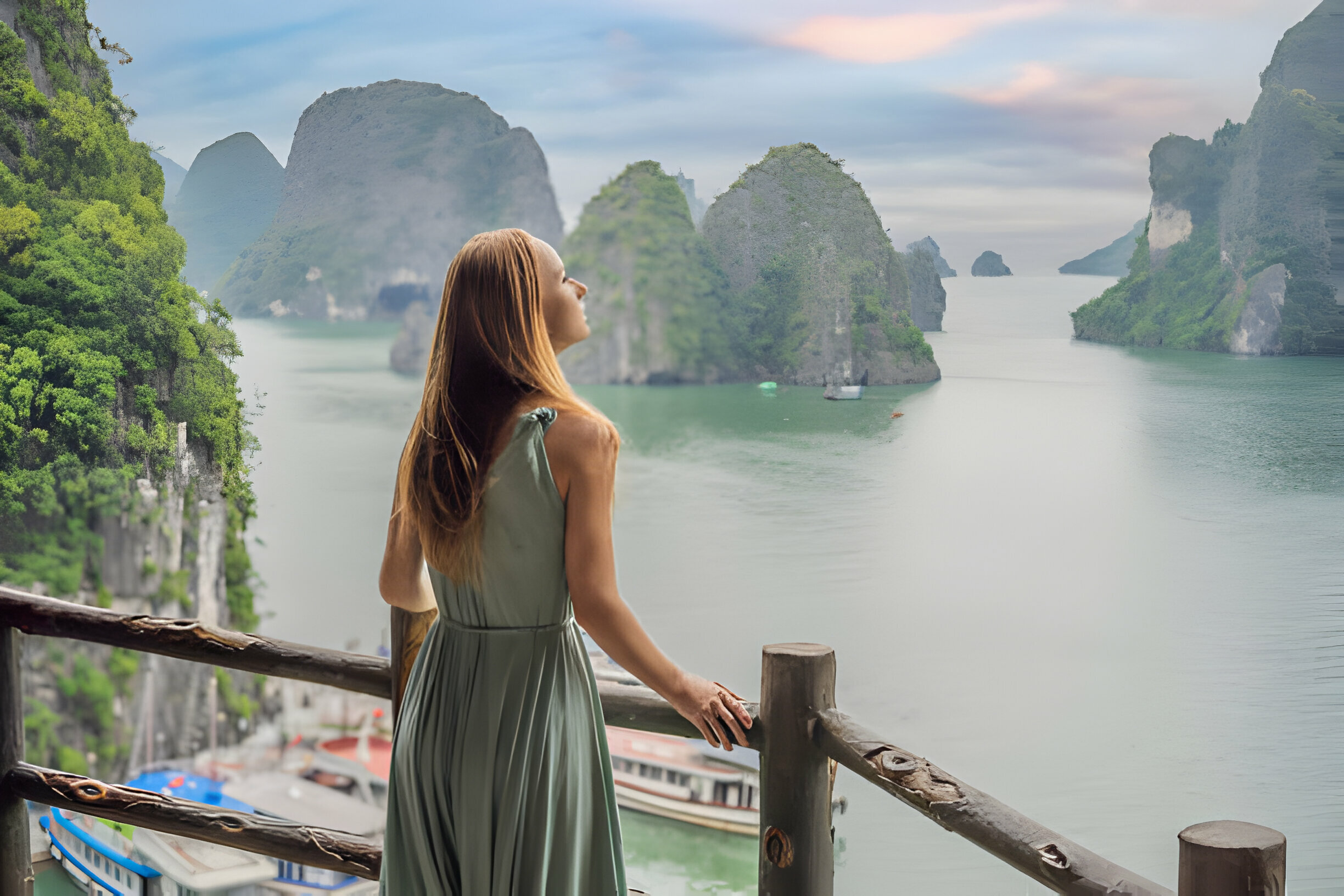
The best time to visit Halong Bay is in November, when the skies are clear, the temperatures are mild, and the sea conditions are calm — perfect for a smooth Halong Bay cruise. During this period, you can expect golden sunlight over emerald waters and comfortable weather for kayaking, sightseeing, and photography.
From May to September, the bay enters its tropical summer. While it’s a great time for swimming and outdoor activities, tropical storms may appear suddenly, so travelers should stay updated on weather forecasts. This is also high season in Halong Bay, especially from June to mid-August, when domestic tourism is at its peak and cruise prices can rise accordingly.
Between February and April, Halong Bay often wears a dreamy mist. The weather is cooler and sometimes drizzly, creating a mysterious, almost cinematic atmosphere. However, the fog may reduce visibility for sightseeing and photography.
Because of the bay’s unpredictable weather patterns, Halong Bay cruise itineraries may occasionally change, and tours can be delayed or canceled for safety reasons. Always check the refund and rescheduling policies in advance when booking your tour to ensure a worry-free travel experience.